A Country of Water: Rolling Through the Netherlands (and a Stop in Bruges and Brussels)
Much of the Netherlands sits below sea level—about six feet, on average. Entire towns and farmland exist because the Dutch have mastered water management, building dikes, canals, and pumping systems that quite literally keep the country above water. It’s no small feat—it’s a way of life.
What struck me most wasn’t just the beauty—it was the mindset. The Dutch don’t just adapt to their environment—they collaborate with it. Living below sea level requires trust, planning, and a shared commitment to sustainability that you can feel everywhere.
It’s a place that reminds you that challenges can become strengths—and that thoughtful design, in both cities and everyday life, can create something truly remarkable.
Favorite Towns That Stole My Heart
Leiden
Charming, intellectual, and effortlessly beautiful, Leiden feels like a quieter, more intimate version of Amsterdam. With its canals, historic buildings, and one of the oldest universities in Europe, it’s a place where history and youthful energy blend seamlessly.
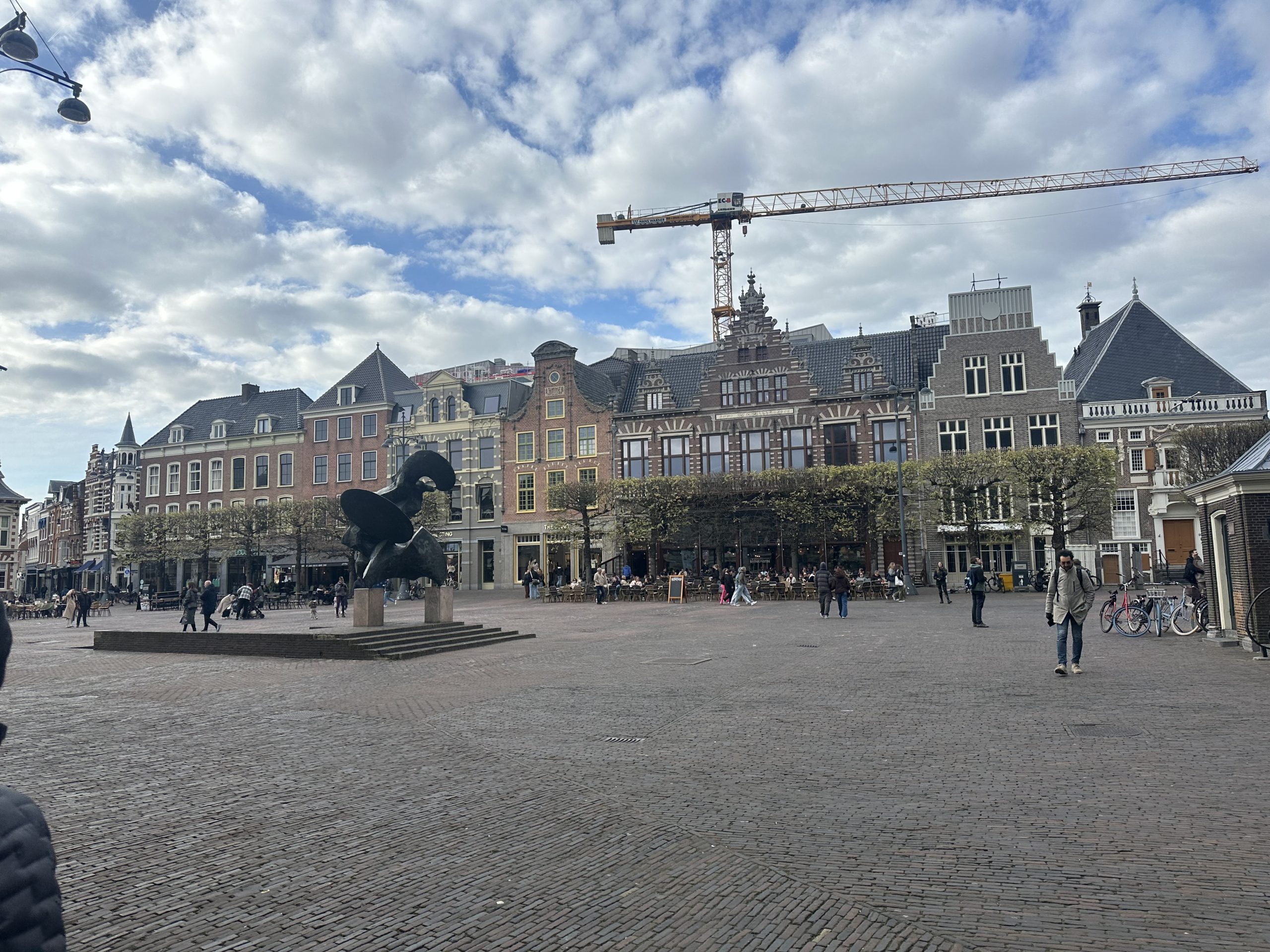
Haarlem– (pronounced with a throaty H, Har luhm.)
Just a short ride from the bustle of Amsterdam, Haarlem is full of character. Think cobblestone streets, cozy cafés, and a laid-back vibe that invites you to slow down. It’s the kind of town where wandering without a plan is exactly what you should do.
Gouda (pronounced “HOW-da” with a very “throaty” H)
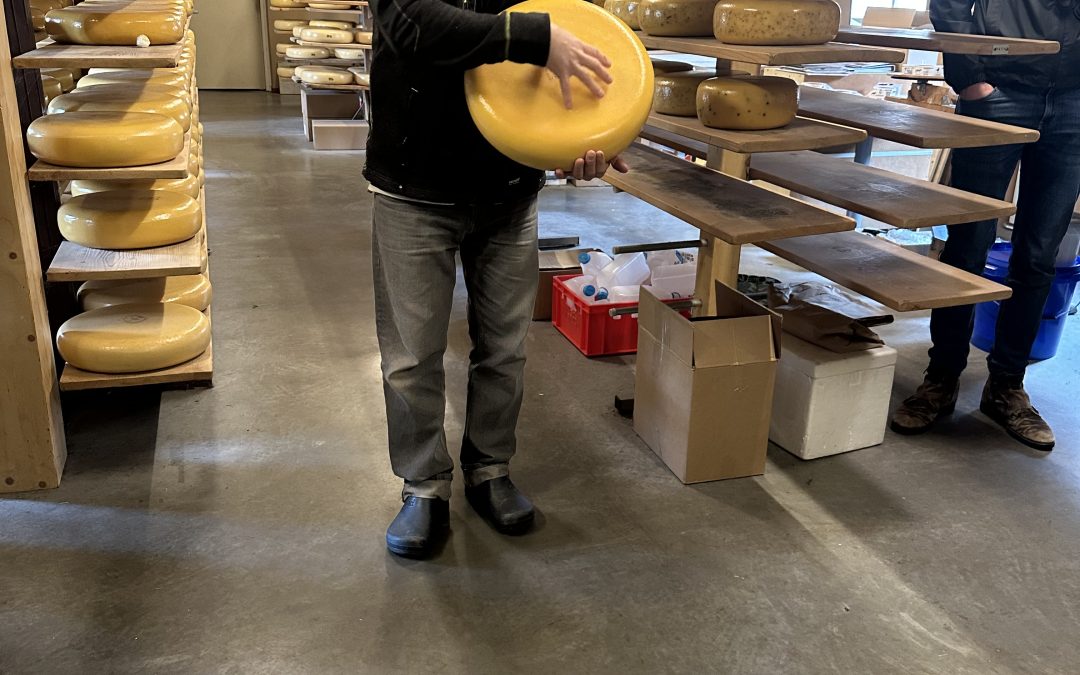
Yes, like the cheese—but so much more than that. Gouda is storybook-perfect, with its central square, historic buildings, and vibrant market culture. It feels both iconic and refreshingly authentic. We visited an organic cheese farm that produces Gouda cheese. Truly interesting to see the process and we LOVED the organic aspect.
Windmills, Water, and Ingenuity
Windmills are more than postcard icons here—they were once essential tools for survival. The Dutch used them to pump water out of low-lying land, reclaiming it from the sea and turning it into usable farmland. Without them, much of the Netherlands wouldn’t exist.
Today, they stand as proud symbols of innovation and perseverance—beauty with a purpose.
The Little Things You Notice
-
The Netherlands is truly a “country of water”—canals, rivers, and engineered waterways are everywhere you look.
-
Tipping isn’t really a big thing here. Service is already included, and if you do leave something, it’s usually just 5–10% at most—often simply rounding up the bill. No pressure, no expectation.
-
Many Europeans under 30 pay around €8 per month for basic health insurance subsidies, reflecting a system designed to keep care accessible.
-
The Dutch invest heavily in protecting their future, spending roughly €1.3 billion annually on climate change mitigation.
-
In Brussels, voting is required. If you don’t vote you can be fined 250 Euros
And then there’s a quick hop over to Brussels—a city that feels very different. Bigger, more layered, and like many major cities, marked by contrasts between wealth and struggle. It has its own energy—less quaint, more complex.
But one of its most unexpected claims to fame? The beloved blue characters of The Smurfs, created by Belgian cartoonist Peyo. It’s a quirky, lighthearted detail in a city that otherwise feels very large and very urban.
Oh—and not far from there, you’ll find the famously tiny and endlessly photographed Manneken Pis, proving Europe never takes itself too seriously. The little statue has a massive wardrobe that requires 2 warehouses to store it. Many countries gift outfits for it to the Royal Family in The Netherlands. (Kind of creepy if you ask me!)
****Chocolate was first created in Belgium. A pharmacist, Jean Neuhaus, thought of coating medicine in chocolate. In 1857 he opened his first pharmacy/confectionary store in Brussels.
In Brussels, voting is required. If you don’t vote you can be fined 250 Euros! What a great way for people to be engaged and connected with their community and country.
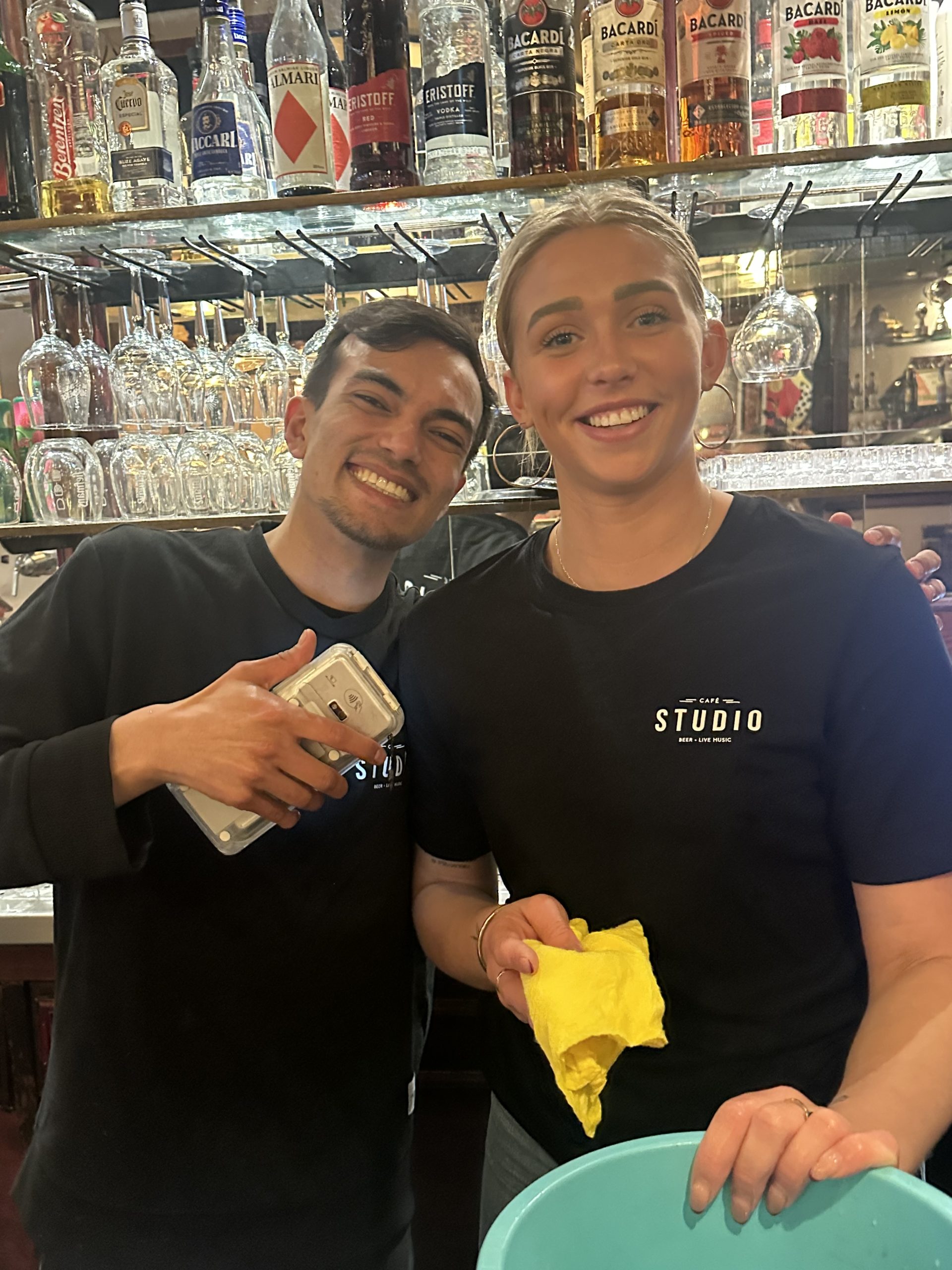
Haarlem, Netherlands Easter Bartenders
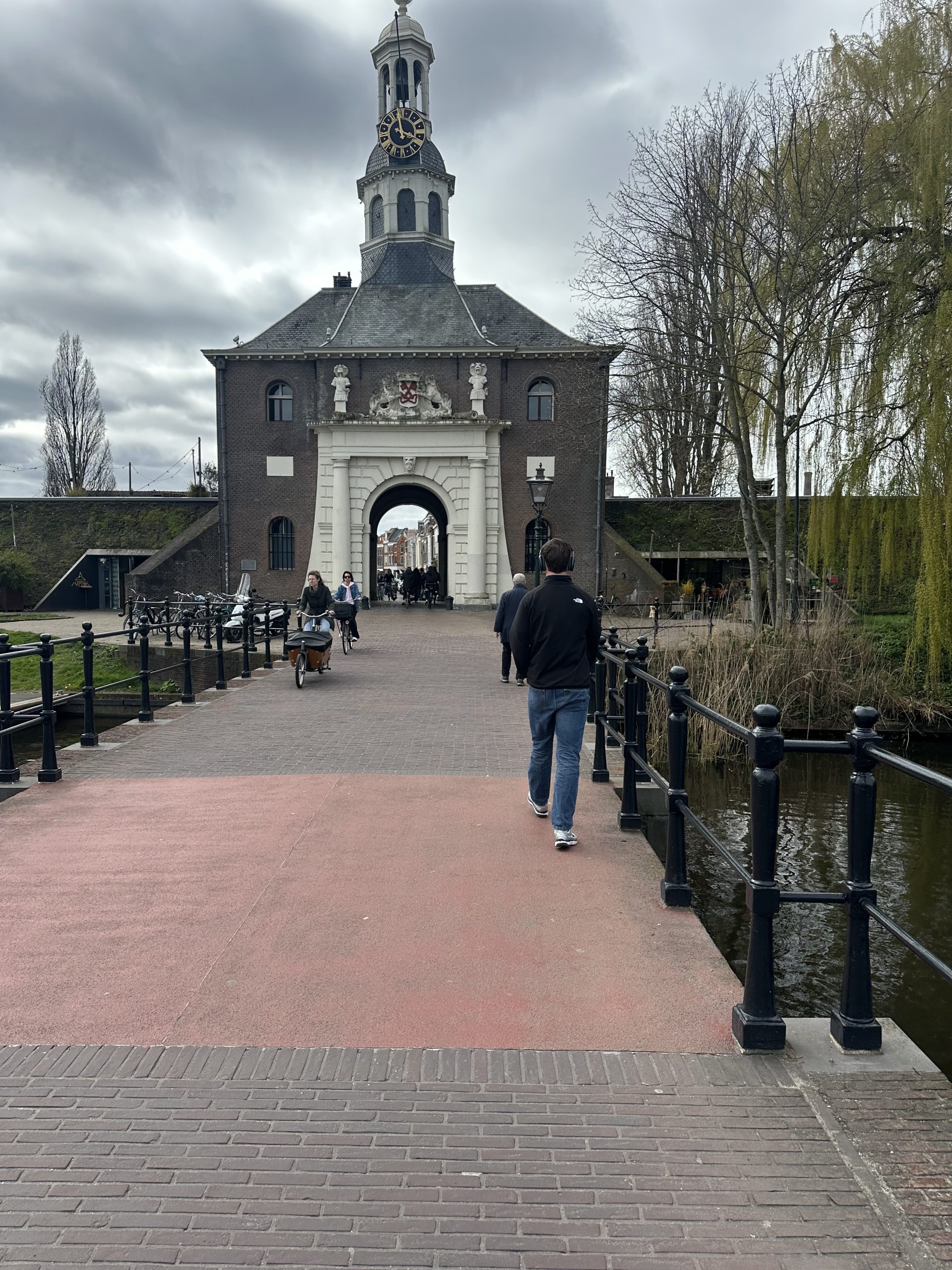
Leiden
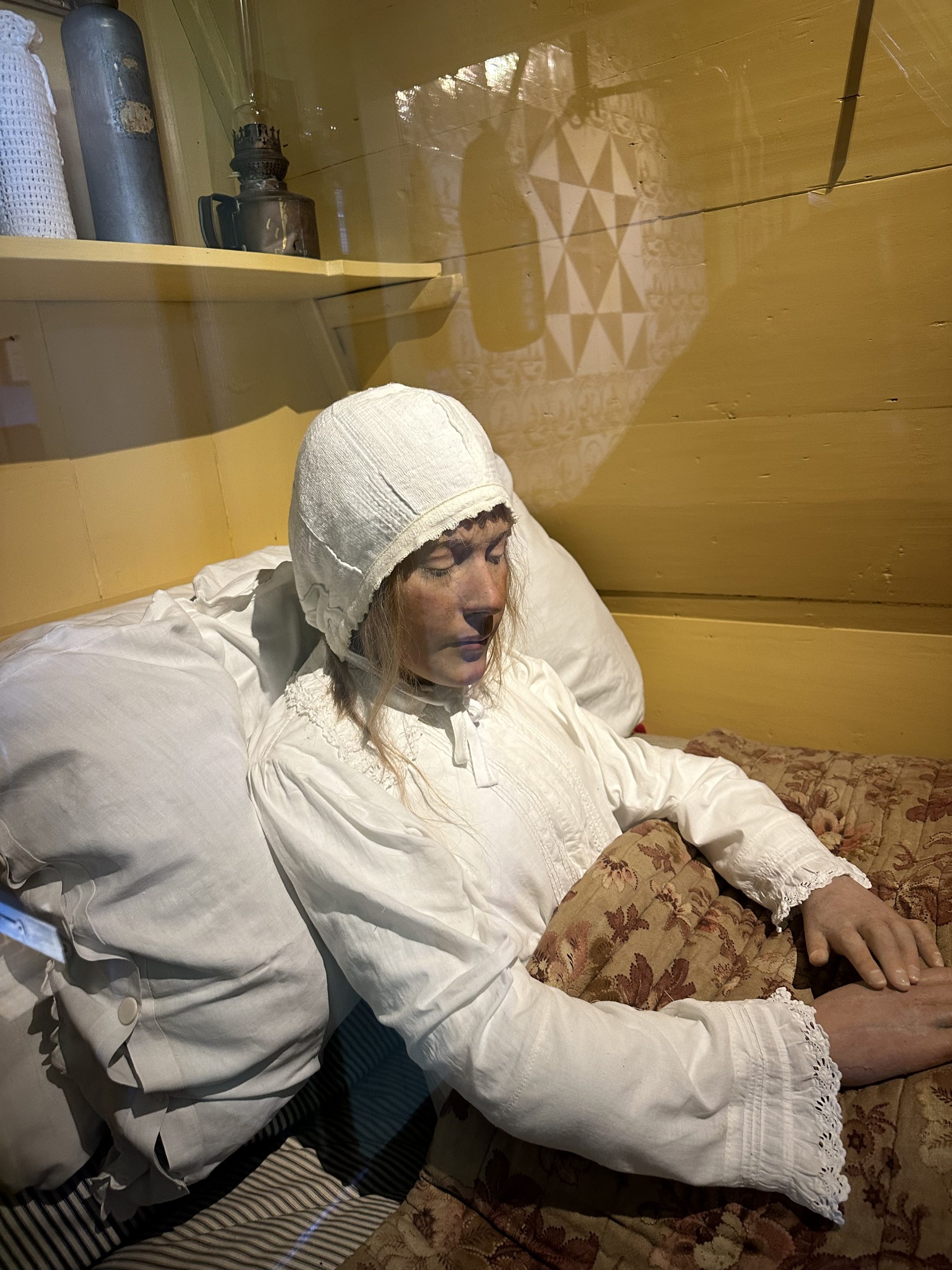
Livin’ Life Adventure Travel; Warding Off The Devil (by sleeping sitting up.)